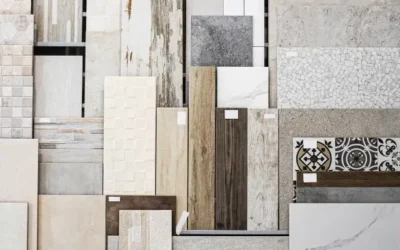
Outdoor tiles have a much tougher job than indoor tiles. They are exposed to full sun, heavy rain during storm season, and regular moisture and activity around pools and outdoor entertaining areas. In many Gold Coast homes, the outdoor area gets used just as much as the kitchen or living room, so tile choices need to handle constant use and changing weather.
Most outdoor areas and pool surrounds use one of the three options: porcelain, natural stone (such as travertine, granite, limestone, sandstone, and quartzite), or ceramic tiles. Each suits a different setup based on slip resistance, heat underfoot, upkeep, and durability. This guide breaks down what to check before you choose, how each material performs outdoors, and which option suits different outdoor areas.
What to Check Before Choosing Outdoor or Pool Surround Tiles
Just like choosing the right tile for a room indoors, outdoor areas need the right tile for the way the space is used and the conditions it has to handle. Here’s what you should check before choosing a tile:
Slip Resistance: Wet Safety Around Outdoor Areas
If there’s one thing to prioritise when choosing outdoor tiles, especially for pool tiling, it’s slip resistance. Any outdoor area that gets wet can become slippery, whether that’s a pool surround, steps, patio, pathway, or an outdoor shower area. These are all places where people are often walking with wet shoes or bare feet, especially during rain, after swimming, or while hosing down the area.

Different outdoor areas need different levels of grip, so choose based on where the tile will go and how wet the area gets. A covered alfresco may suit a different finish from an exposed patio or pool surround, and steps usually need more grip than flat areas. When comparing products, ask for the slip rating, and confirm the tile is suitable for wet outdoor use under Australian standards such as AS 4586, with suppliers commonly listing P-ratings or R-ratings.
Surface Finish: Grip, Texture, and Comfort
Surface finish affects grip, comfort, and cleaning. Polished tiles are usually a poor choice outdoors, especially near pools, on exposed patios, and on steps because they can become slippery when wet. Textured finishes are a better fit for wet areas, while matte or honed finishes can work in some outdoor spaces if the tile is rated for outdoor use.
Heat underfoot is a big factor in outdoor areas during Gold Coast summers. Tiles can feel very different after a few hours in direct sun, particularly in open backyards and west-facing areas that cop strong afternoon heat. Darker colours usually absorb more heat than lighter tones. Some finishes can also feel harsher under bare feet once the surface heats up, so it’s worth thinking about sun exposure and shade before choosing a tile colour and finish.
Maintenance: Sealing, Cleaning, and Stains

Outdoor tiles are exposed to the elements, daily use, moisture, and the general build-up that comes with outdoor living, so maintenance should be considered before choosing a material. Some tiles are more prone to staining, while others may need sealing or occasional re-sealing to help protect the surface. It is also worth remembering that textured finishes tend to trap more dirt, and shaded or damp areas often need more regular cleaning, where mould and algae can develop.
Style Match: Choosing a Tile That Looks Right
When choosing outdoor tiles, it helps to think about the look you want and whether it suits your home and yard. Modern homes often suit cleaner lines and more consistent finishes, while coastal or resort-style spaces usually suit softer tones and more natural variation. It’s also worth considering how the tile will look with other outdoor areas, especially if the pool area, alfresco, and paths are all visible together.
Tile Options for Outdoor Areas
Porcelain Tiles: Low-Maintenance and Widely Used Outdoors
Porcelain is a common outdoor tile option and is widely used in residential projects. It comes in many styles and finishes, so it’s important to choose a product that suits the area.

Pros:
- Very dense and durable
- Low water absorption
- Wide range of styles and finishes
- Easy to get a consistent look across connected outdoor areas
Considerations:
- Slip resistance needs to suit the area, especially in wet zones
- Not every porcelain tile is made for outdoor use, so check if the product is rated for outdoor installation
Best for: Low-maintenance patios, alfresco areas, modern pool surrounds or outdoor pathways.
Ceramic Tiles: Best for Covered and Sheltered Outdoor Areas
Ceramic tiles can work in outdoor areas, but they’re usually better suited to covered or sheltered areas. They come in many designs and can be a good option when the space is protected from constant weather exposure.

Pros:
- Often more affordable than porcelain
- Wide range of styles and finishes
- Good option for lower-exposure spaces
Considerations:
- Usually less dense than porcelain
- Has higher water absorption than porcelain
- Not ideal for fully exposed outdoor areas unless specifically rated for outdoor use
- Slip resistance and finish still need to suit the area
Best for: Covered alfresco areas, sheltered patios and low-exposure outdoor spaces.
Travertine: A Popular Choice for Pool Surrounds
Travertine tiles are one of the most common natural stone choices for pool surrounds. It’s popular for its softer, natural look, textured character, and the relaxed feel it gives outdoor spaces.

Pros:
- Lighter tones often suit coastal and resort-style homes
- Natural variation gives a less uniform look
- Often comfortable underfoot in sunny areas
Considerations:
- Usually need sealing and occasional re-sealing
- Can stain if spills or residue are left sitting
- Cleaning products need to be suited for natural stone
Best for: Pool surrounds, sunny outdoor entertaining areas, coastal or resort-style homes.
Granite: Hardwearing and Built for High-Traffic Areas
Granite is a very durable natural stone and is often chosen where strength and long-term wear matter. It can suit premium outdoor spaces and areas that see a lot of foot traffic.

Pros:
- Very hardwearing
- Good for high-traffic areas
- Premium look and feel
- Strong outdoor performance with the right finish
Considerations:
- Can be more expensive than other stone options
- Some granite finishes are more porous than others, so sealing may still be recommended
- Heavier material can affect handling and installation
Best for: High-traffic patios, premium outdoor areas, pathways or pool surrounds.
Limestone: Soft Natural Look for Relaxed Outdoor Spaces
Limestone tiles are often chosen for their softer, natural appearance and lighter tones. It can work well in outdoor areas where homeowners want a calm, relaxed finish.

Pros
- Soft, natural look
- Available in lighter tones that work well outdoors
- Can create a premium finish when maintained well
Considerations:
- More prone to staining than harder stones
- Can be more sensitive to etching
- Usually needs sealing and ongoing maintenance
Best for: Pool surrounds, alfresco areas or coastal-style homes.
Sandstone: Warm Tones and a Natural Outdoor Feel
Sandstone is known for its warm colours and natural texture, which can work well in landscaped outdoor areas. It’s often chosen for a more earthy, natural look.

Pros
- Natural texture adds a visual appeal to outdoor spaces
- Suits landscaped and garden-style outdoor areas
- A good fit for relaxed, earthy designs
Considerations:
- More porous than denser stone options
- Usually needs sealing and regular maintenance
- Product quality and grade can vary
Best for: Garden paths, landscaped patios, outdoor entertaining areas, homes with a natural or earthy style.
Quartzite
Quartzite is a strong natural stone option that’s often chosen when homeowners want both durability and the visual appeal of the stone’s natural variation. It’s usually considered a more premium option for outdoor spaces.

Pros
- Strong and durable
- Natural variation and texture
- Performs well outdoors with the right finish
- Weather-resistant and suited to exposed areas
Considerations:
- Usually a more premium price point
- May still need sealing depending on the product and finish
- Quality may vary so finish selection is important for slip resistance and comfort
Best for: Premium patios, exposed outdoor areas or pool surrounds.
Quick Comparison: Porcelain vs Natural Stone vs Ceramic
- Best for lowest maintenance: Porcelain
- Best for a natural / resort-style look: Natural stone
- Best for consistent colour and finish: Porcelain
- Best for unique variation and character: Natural stone
- Best for covered outdoor areas on a budget: Ceramic
- Most common choice for exposed outdoor areas and pool surrounds: Porcelain and selected natural stones
- Sealing needs: Natural stone usually yes; porcelain generally no; ceramic depends on the product
Always check that the product is rated for outdoor use and that the slip resistance suits the area, especially wet zones, steps, and pool surrounds.
Choosing the Right Outdoor Tile for Your Space
The best outdoor tile for your home depends on where it’s going, the conditions it will face, how much maintenance you’re comfortable with, and the overall look you want. Taking the time to weigh up those factors will help you choose a tile that looks right, performs reliably, and continues to suit the space well into the future.
Looking for tilers in Burleigh Heads, Nerang, Upper Coomera, or anywhere across the Gold Coast, we can help you choose the right tile and finish for your space.
Call the tilers Gold Coast locals trust for expert advice and a free quote on (07) 5551 4180.