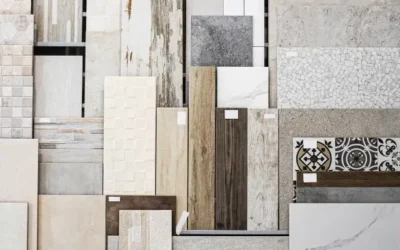
Porcelain and ceramic tiles can be surprisingly hard to choose between. They’re both widely used in homes, they look similar, and there’s no shortage of colours and finishes. It’s easy to focus on the look first, then realise that performance matters just as much. Once you look at the key differences side by side, the choice becomes much clearer.
With wet areas, busy floors, and indoor-outdoor living being common in many Gold Coast homes, the right tile choice comes down to more than what looks best in the showroom. In this guide, we’ll break down the key differences between porcelain and ceramic tiles to help you choose the right option for your space, budget, and everyday use.
What are Porcelain Tiles?

Porcelain tiles are made from finer clay and fired at higher temperatures during manufacturing. This creates a tile that is denser, harder, and less porous than standard ceramic tiles. They’re often used in areas that see more moisture or heavier daily use, such as bathrooms, laundries, kitchens, and main living floors.
They’re also a popular option in homes with open-plan layouts and indoor-outdoor flow, and one of the most commonly used outdoor tile options when rated for exterior use. Many porcelain tiles come in stone-look, timber-look, and large-format styles, making them a popular option for modern builds and renovations.
What are Ceramic Tiles?
Ceramic tiles are also made from clay, but they are fired at lower temperatures than porcelain, which makes them generally less dense and slightly more porous. Because of this, they’re typically better suited to areas where heavy wear and constant moisture are less of a concern.

They’re often used for kitchen splashbacks, bathroom walls, laundry walls, and decorative feature areas. While these spaces can still deal with steam, splashes, and humidity, wall surfaces are not exposed to the same level of moisture and foot traffic as shower floors, bathroom floors, or outdoor tiled areas. Ceramic tiles are also popular with homeowners who want more flexibility in colours, patterns, and finishes while keeping costs down. Since they’re easier to cut and work with, they’re commonly chosen for wall applications and design-focused spaces in renovations and new homes.
How Porcelain and Ceramic Tiles Compare
Durability: Wear Resistance and Daily Use
One of the biggest differences between porcelain and ceramic tiles is how they handle wear over time. Porcelain tiles are generally harder and denser, which makes them more resistant to wear and a stronger choice for floors in high-traffic areas.
Ceramic tiles are slightly softer, so they’re more often used on walls or low-traffic spaces. They’re still durable when used in the right setting, but they may not perform well as porcelain tiles that see constant daily foot traffic.
Cost: Material and Installation Differences
Porcelain tiles are usually more expensive than ceramic tiles, largely because of the materials and manufacturing process used to make them. They’re fired at higher temperatures and made to be denser, increasing the cost of the tile itself. As porcelain tiles are harder and denser, they take more effort to cut cleanly during installation. The difference tends to show up on larger tiles, tight cuts around fixtures, and layouts that need a neat, consistent finish.

Ceramic tiles are generally more affordable overall, which is one reason they’re often used for larger wall areas and budget-conscious renovations. Ceramic tiles are easier to cut and shape, which makes them more flexible for many wall and decorative applications. That is part of why they are so commonly used for splashbacks, feature walls, and other areas with more detailed tile layouts.
Many homeowners choose to invest in porcelain for high-use floors while using ceramic for walls or feature areas to help balance cost and performance. Tile type, layout, and where the tiles are being installed can all affect the approach, which is also why it helps to follow relevant tile installation standards in Australia.
Water Resistance: Wet Area Suitability
Porcelain tiles have very low water absorption, which is one of the main reasons they’re often used in wet areas and outdoor spaces when rated for exterior use. Their dense composition helps them handle moisture better over time, especially in areas that are regularly exposed to water. This is one reason many Gold Coast bathroom tilers recommend porcelain for bathroom floors and other areas exposed to regular moisture.
Ceramic tiles are more porous than porcelain, so they’re more commonly used in indoor areas where moisture exposure is lower or more controlled. They can still be a good option for bathrooms or kitchens, but they’re often used in walls rather than floors in spaces that deal with frequent water.

Final Choice: Porcelain vs Ceramic for Different Spaces
Both porcelain and ceramic tiles can be the right choice, depending on where they’re being used. Porcelain is usually the better option for floors, wet areas, and spaces that need more durability, while ceramic is often a great fit for walls, splashbacks, and decorative areas. Choosing based on how the space will be used, not just how the tile looks in the showroom, can help you get a better long-term result.
It helps to get advice from a team that provides tiling services Gold Coast homeowners trust for both renovations and new builds.
If you’re looking for tilers in Nerang, Broadbeach, Burleigh Heads, or anywhere across the Gold Coast, our team can help you choose the most suitable tile type for your project and deliver a quality installation. Give us a call on (07) 5551 4180 to get expert advice and a free quote!